Abejas, avispas y hormigasBees, wasps & ants
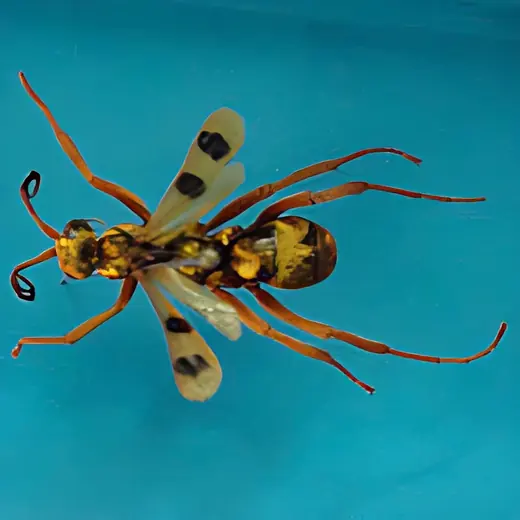
Sceliphron asiaticum chilense
Sphecidae
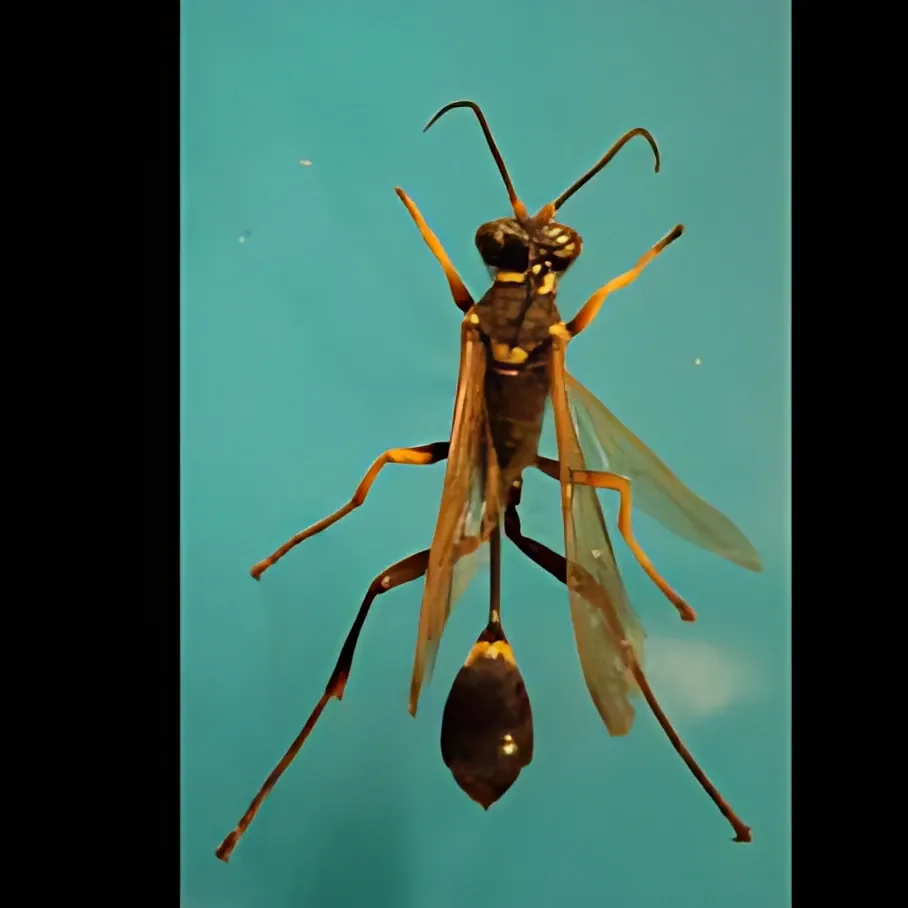
La cintura (pedicelo) de esta avispa la hace inconfundible. Usando sus mandíbulas la hembra forma pequeños trozos de barro en una bola que contiene celdillas tubulares. Dentro de cada celdilla pone una araña paralizada por veneno, pone un huevo y luego cierra la celda con barro. Las celdillas adicionales se ponen paralelas a la primera. Las larvas crecen hasta unos 14 mm y luego forman capullos en torno a ellos pero dentro de las celdillas, de los que más tarde salen los adultos. Los ejemplares que salen primero son usualmente hembras. Los machos tienden a aparecer más tarde en el verano. Este género vive en todas las Américas. Frecuentemente se las ve en la orilla de cualquier aguada juntando barro.
The waist (petiole) of this wasp makes it unmistakable. Using her mandibles, the female forms small pieces of mud into a ball containing tubular cells. In each cell she places a spider paralyzed by venom, lays an egg and then closes the cell with mud. Additional cells are placed parallel to the first. The larvae grow to about 14 mm and then spin cocoons around themselves inside the cells, from which the adults later emerge. The individuals that emerge first are usually females. Males tend to appear later in the summer. This genus lives throughout the Americas. They are often seen at the edge of any watering place gathering mud.
- OrdenOrder
- Hymenoptera · Abejas, avispas y hormigasBees, wasps & ants
- FamiliaFamily
- Sphecidae
HábitatHabitat
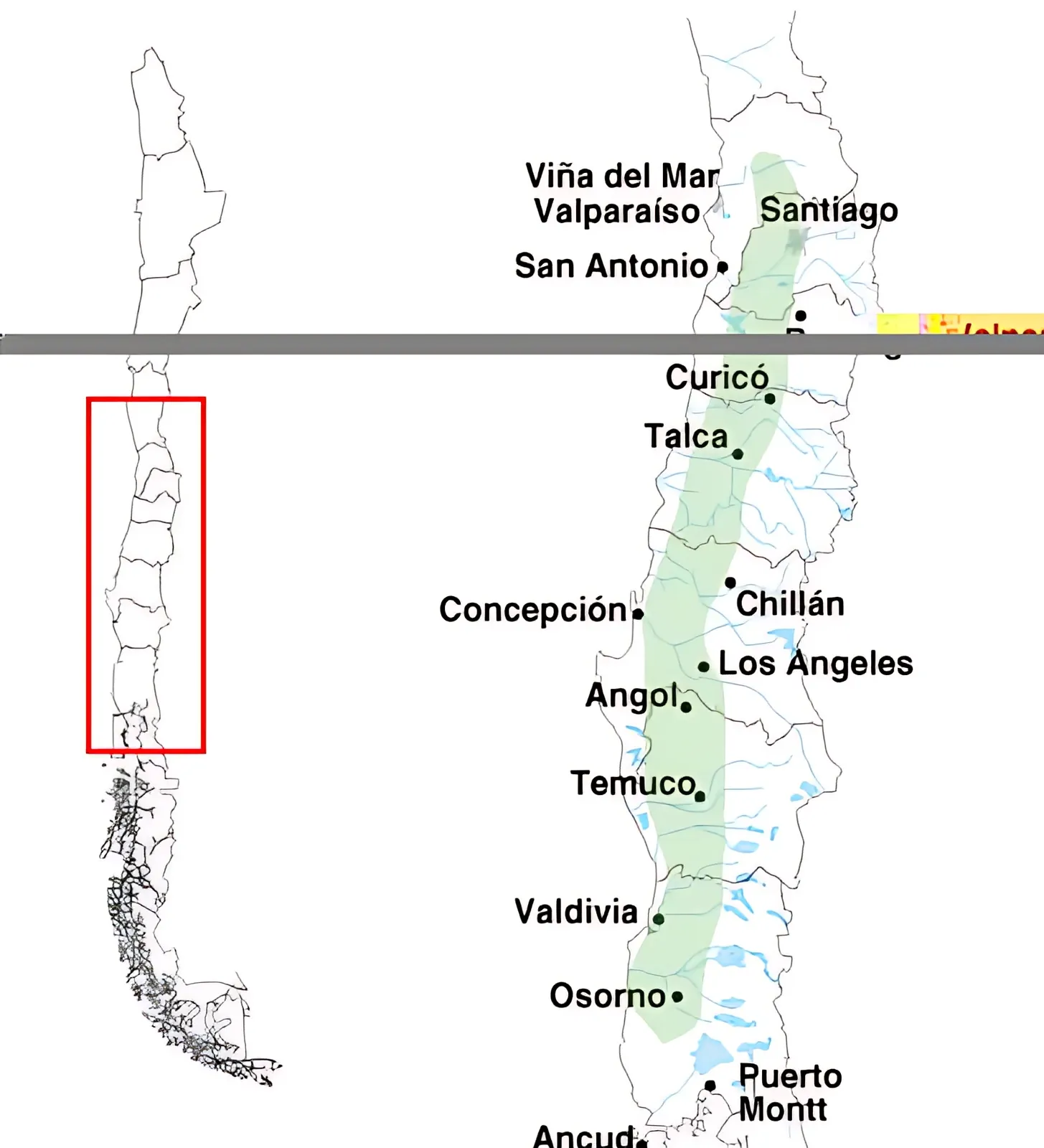
DistribuciónDistribution