Introducción a los insectosIntroduction to insects
Contenido de esta páginaOn this page
Los Artrópodos son un grupo de animales invertebrados que derivaron de los antecesores de las lombrices. Estos representan un número más de tres veces el resto de los animales sumados. Se conoce casi un millón de especies. El rasgo distintivo de los miembros de estre grupo o Filum es poseer un esqueleto externo o exoesqueleto. Durante la evolución los Artrópodos se separaron en tres ramas principales:Arthropods are a group of invertebrate animals that derived from the ancestors of worms. They account for more than three times the number of all other animals combined. Almost a million species are known. The distinguishing feature of the members of this group, or Phylum, is having an external skeleton, or exoskeleton. During evolution the Arthropods split into three main branches:
Quelicerados (Arácnidos, Escorpiones, Garrapatas y Acaros)Chelicerates (Arachnids, Scorpions, Ticks and Mites)
Crustaceos (Langostas acuáticas, Cangrejos,Crustaceans (freshwater crayfish, crabs,
Mandibulados (Crustáceos, Milípedos, Centípedos, Insectos y Paurópodos)Mandibulates (Crustaceans, Millipedes, Centipedes, Insects and Pauropods)
De los grupos previos, los Insectos son los más abundantes y exitosos desde el punto de vista de supervivencia y variedad, con gran radiación adaptativa. Quizás el hecho esencial al cual se debe el éxito de los insectos, fué la adquisición de la capacidad de volar, lo que produjo una distribución a todos los sectores del planeta. Es interesante notar que en muchas variedades de insectos actuales esta capacidad de vuelo no existe o se perdió.Of the above groups, insects are the most abundant and successful in terms of survival and variety, with great adaptive radiation. Perhaps the essential fact behind the success of insects was the acquisition of the ability to fly, which led to a distribution across all parts of the planet. It is interesting to note that in many present-day insect varieties this ability to fly does not exist or was lost.
Los insectos se diferencian de otros artrópodos por poseer un cuerpo dividido en cabeza, tórax y abdomen,tres pares de patas y generalmente dos pares de alas ubicadas en la región torácica. Además en la cabeza tienen un par de antenas y un par de ojos compuestos. El sistema de intercambio de gases se realiza a través de un sistema de traqueas. En numero los insectos son el 80 % de las especies animales conocidas (!) Estos se dividen en ORDENES.Insects differ from other arthropods in having a body divided into head, thorax and abdomen, three pairs of legs and, generally, two pairs of wings located on the thoracic region. In addition, on the head they have a pair of antennae and a pair of compound eyes. Gas exchange takes place through a system of tracheae. In numbers, insects make up 80% of all known animal species (!). They are divided into ORDERS.
Ordenes de Insectos:Orders of Insects:
HEMIPTERA
(Incl. Homoptera) COLLEMBOLA THYSANOPTERA MALOFAGA ISOPTERA PHASMODEA EFEMEROPTERA DERMAPTERA ANOPLURA SIFONAPTERA ANOPLURA PSOCOPTERA PROTURA DIPLURA
(En Rojo
están los Ordenes más comunes y que Ud encontrá
en esta serie. Los
que están en azul ya han sido fotografiados pero
estarán disponibles solo en algunas semanas
más.)
Para clasificar un insecto dentro del ORDEN que le corresponde, lo más fácil es usar sus conocimientos generales, así To classify an insect into the ORDER it belongs to, the easiest way is to use your general knowledge, like this:
Nombre comúnCommon name |
Foto o esquemaPhoto or diagram |
OrdenOrder |
CaracterísticasCharacteristics |
Mariposas diurnasButterflies (diurnal) |
|
Lepidoptera |
|
Polillas o Mariposas NocturnasMoths |
|
Lepidoptera |
|
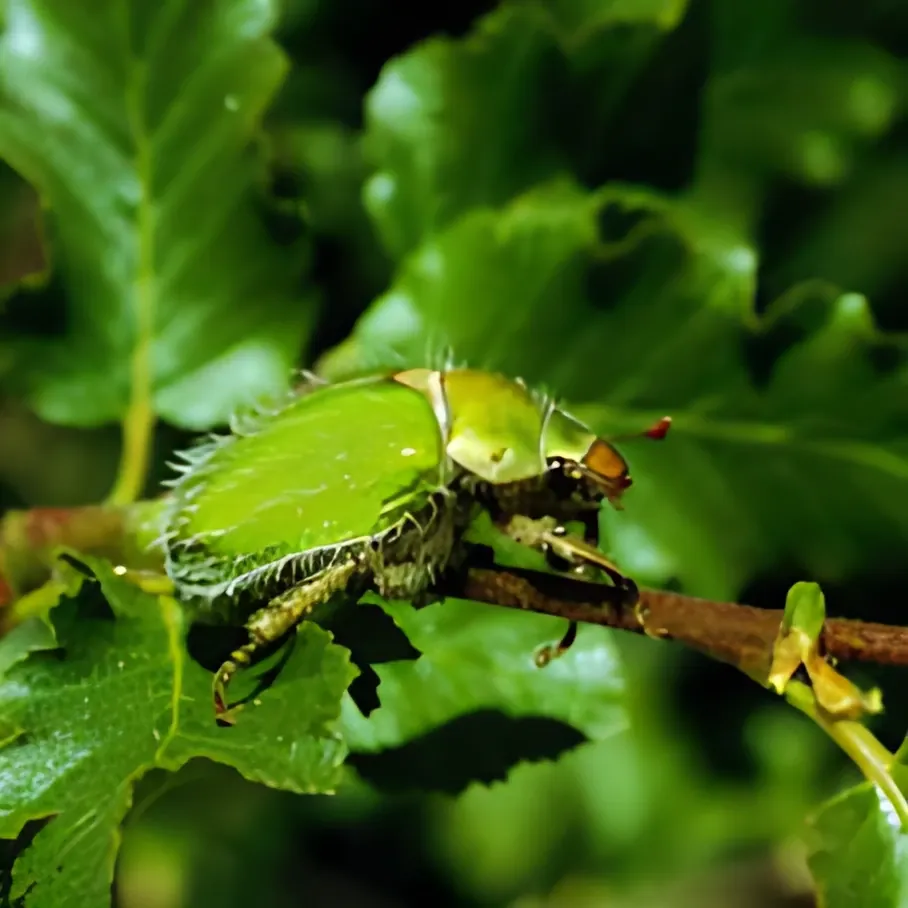
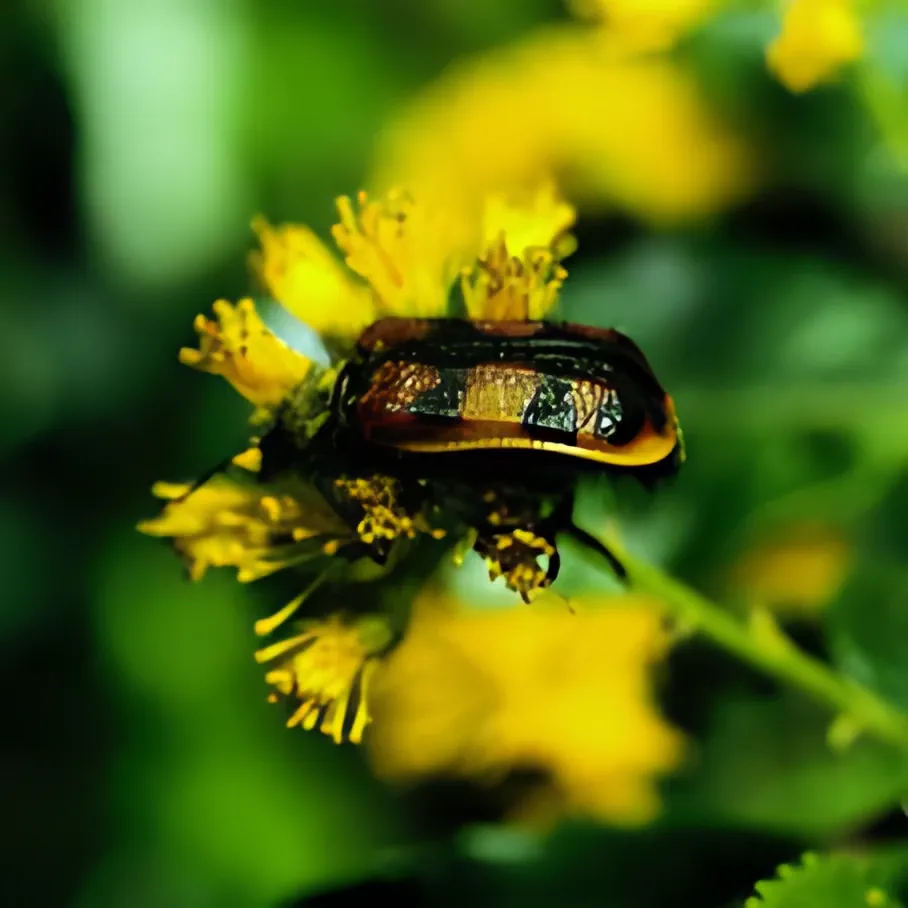
Pololos, Escarabajos, GorgojosBeetles, chafers, weevils |
|
Coleoptera |
|
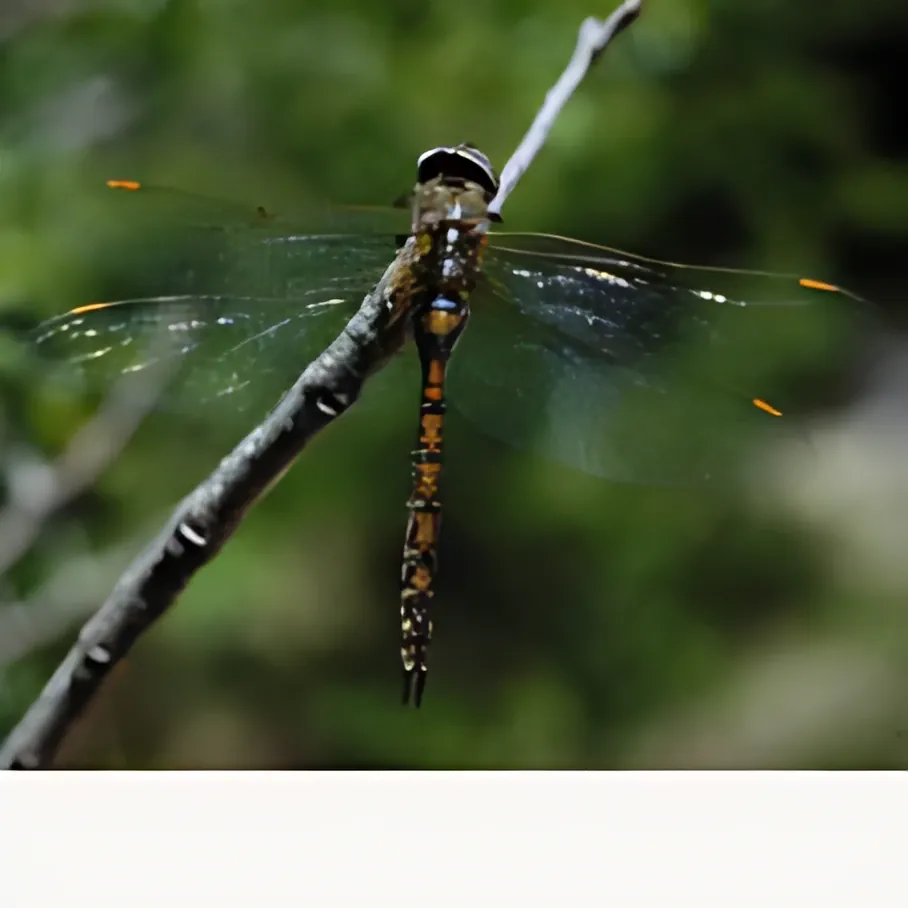
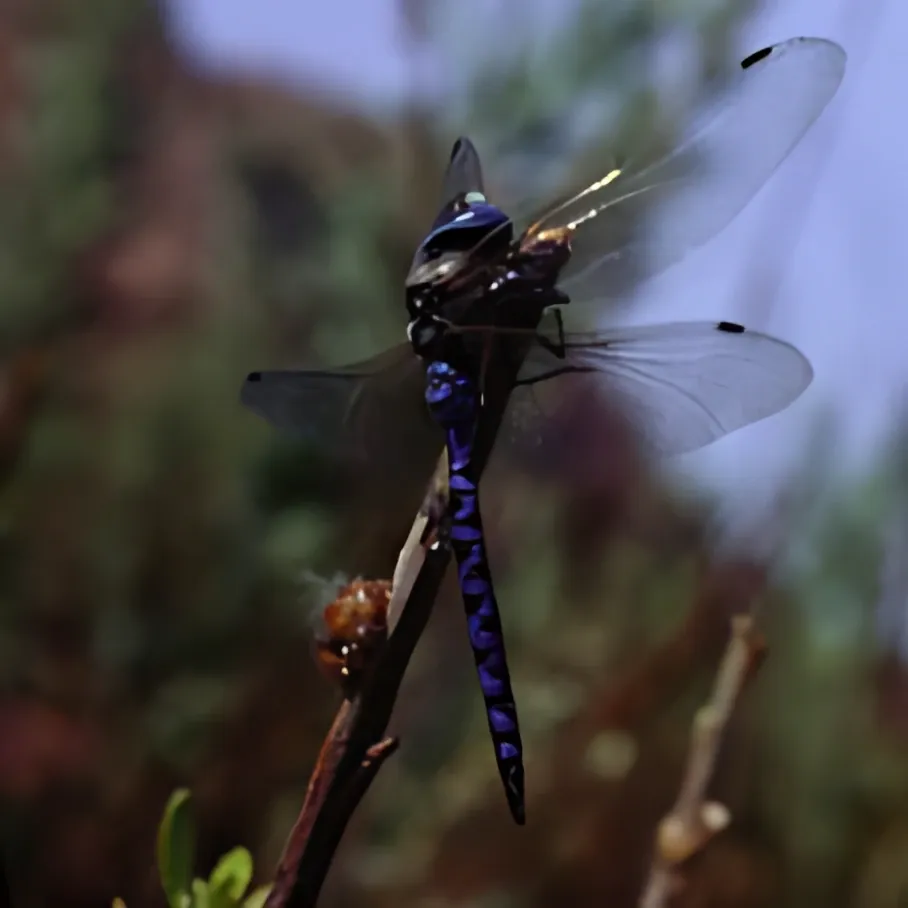
Libelulas, MatapiojosDragonflies, damselflies |
|
Odonata |
|
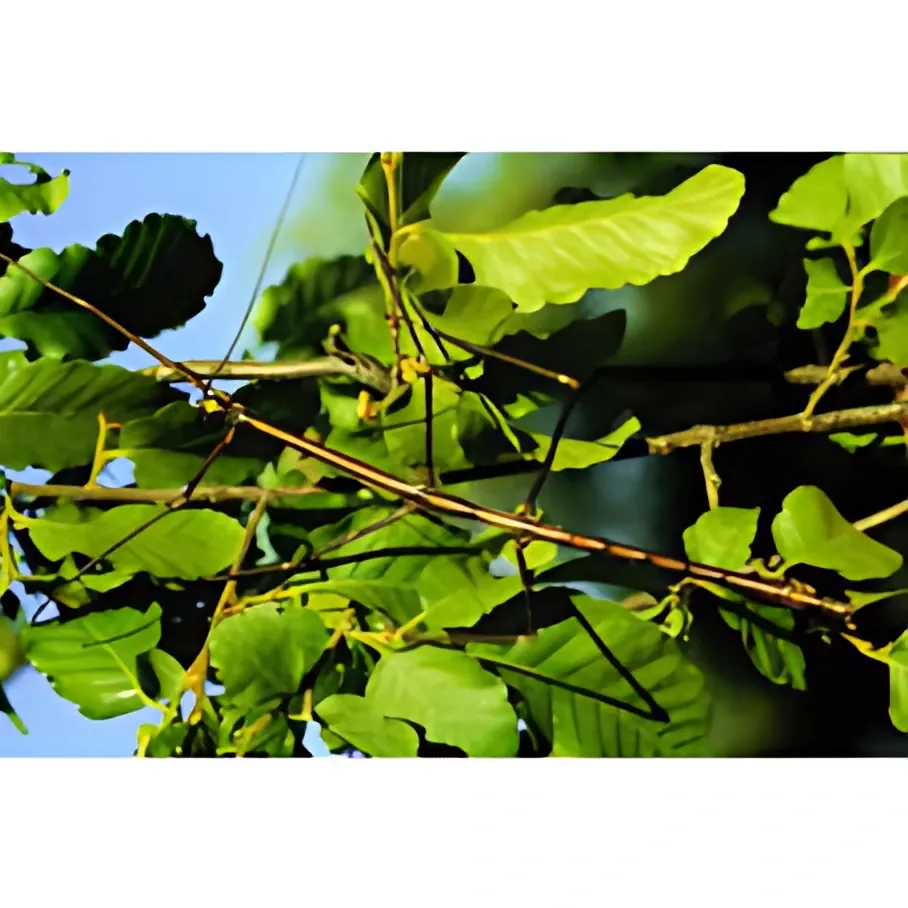
Palotes, Tabolangos y chinchemollosStick insects ("palotes"), "tabolangos" and "chinchemollos" |
|
Phasmodea |
|
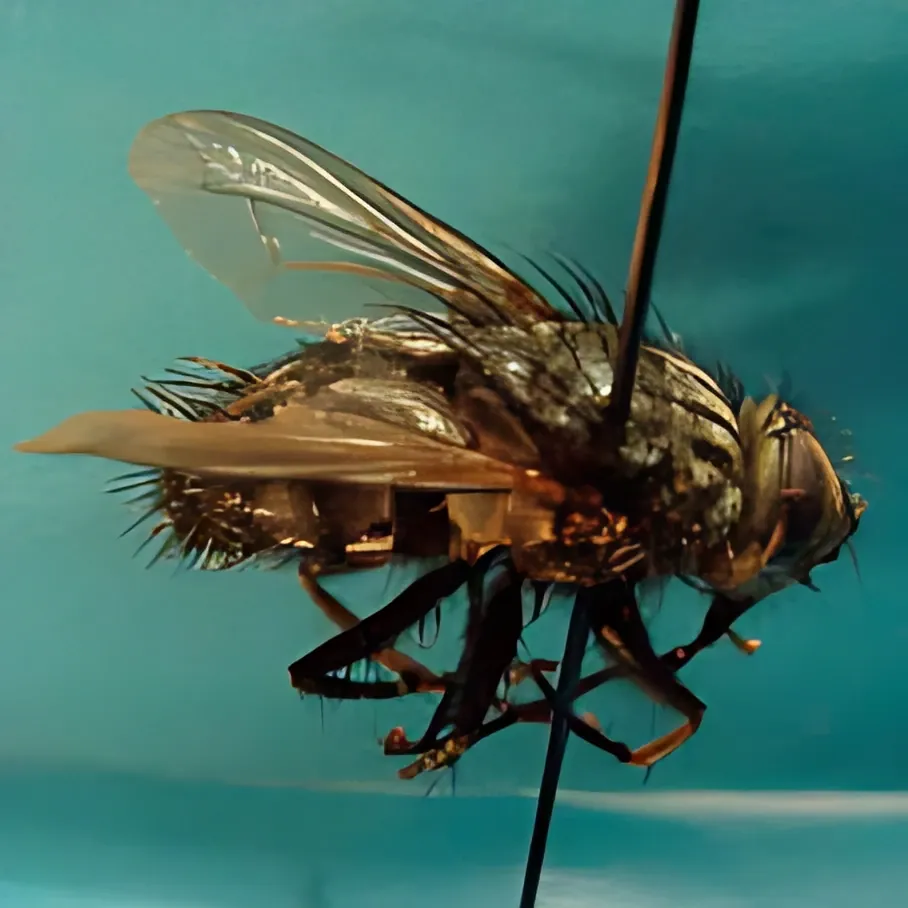
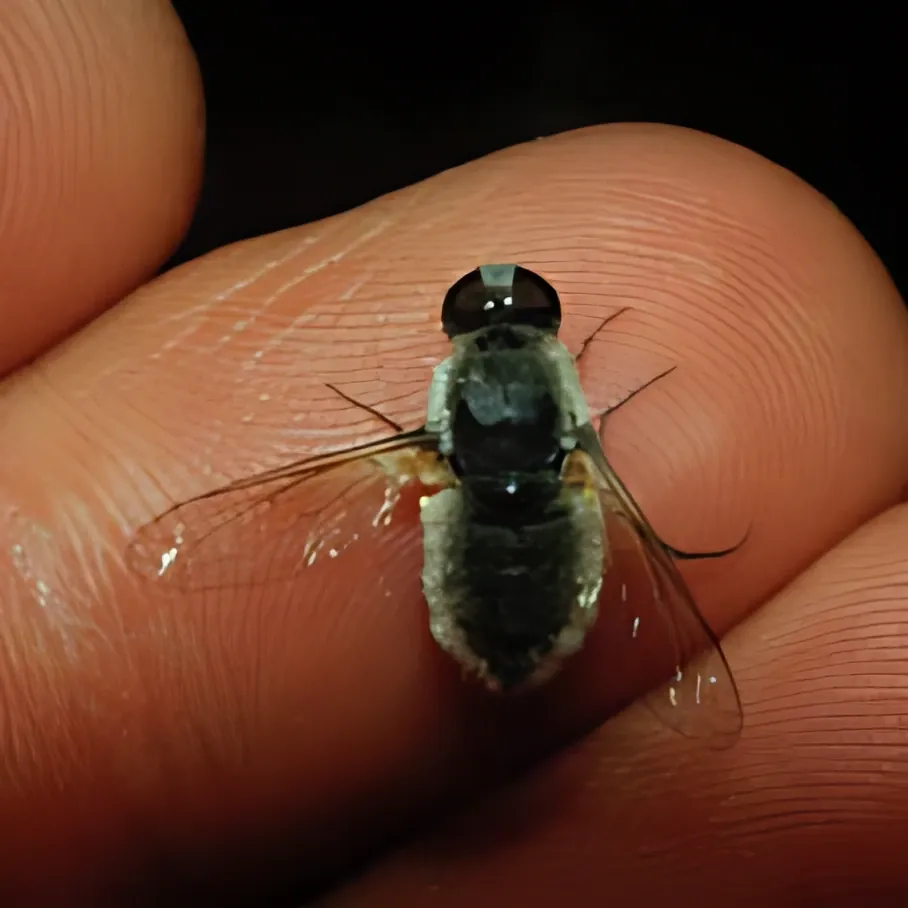
Moscas, Tábanos, ZancudosFlies, horseflies, mosquitoes |
|
Diptera |
|
Abejas, Avispas y HormigasBees, Wasps and Ants |
|
Hymenoptera |
|
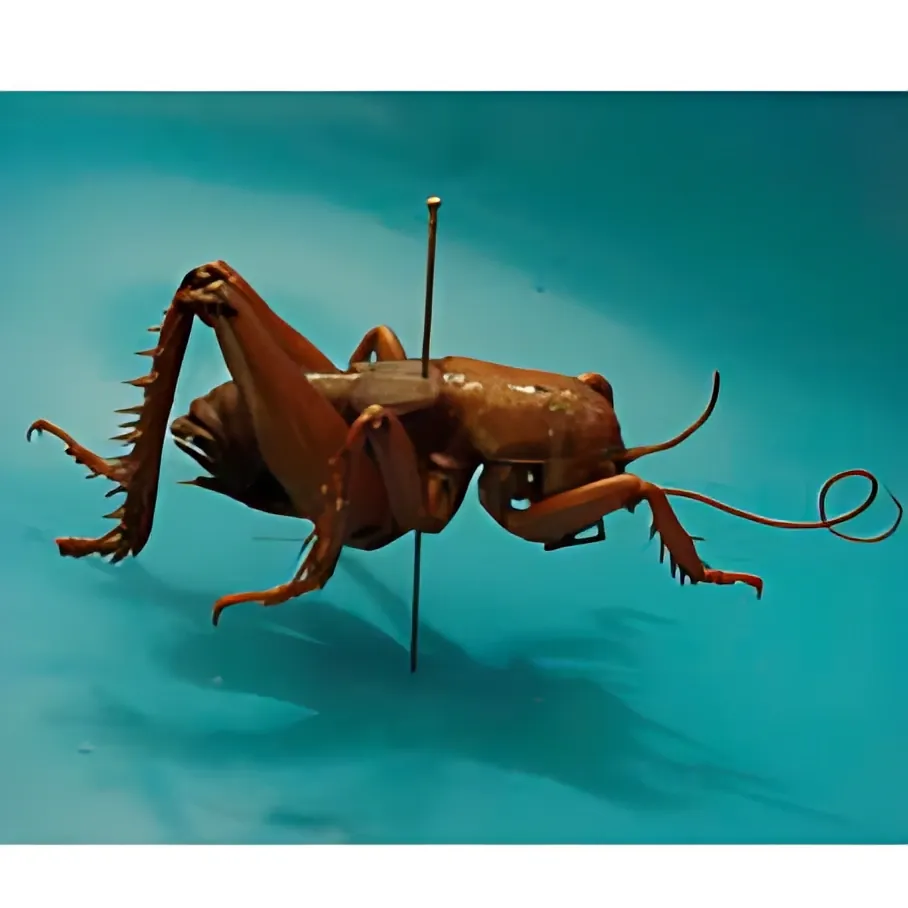
Langostas, GrillosLocusts, crickets |
|
Orthoptera |
|
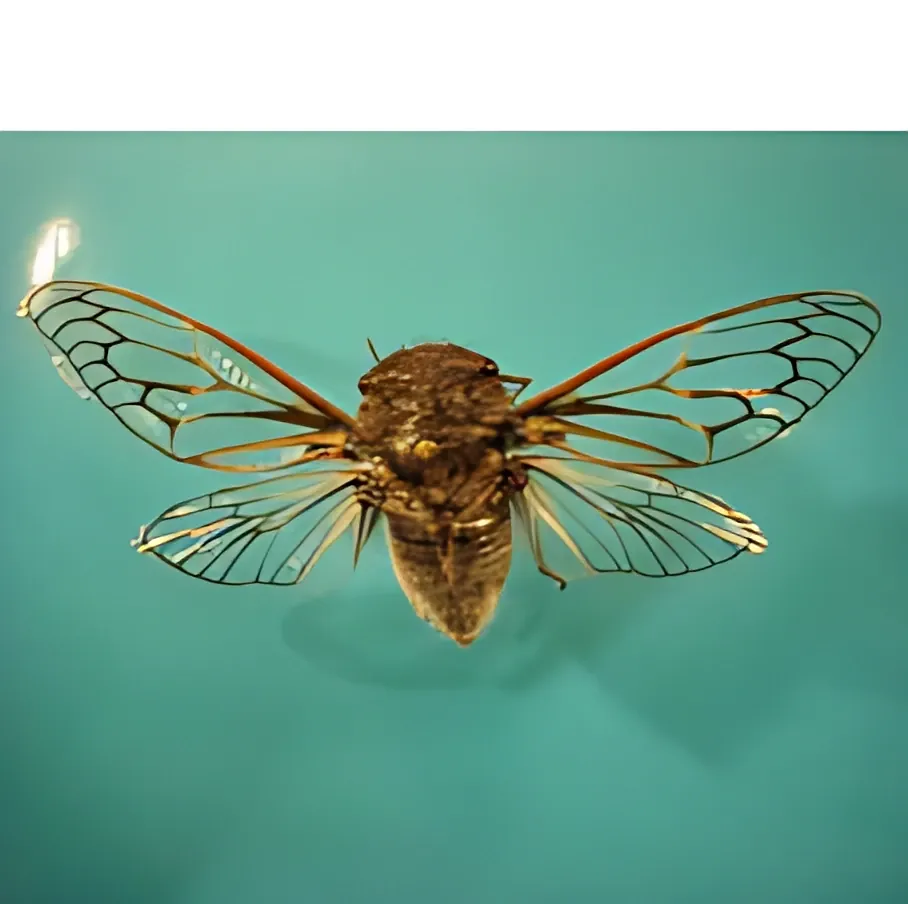
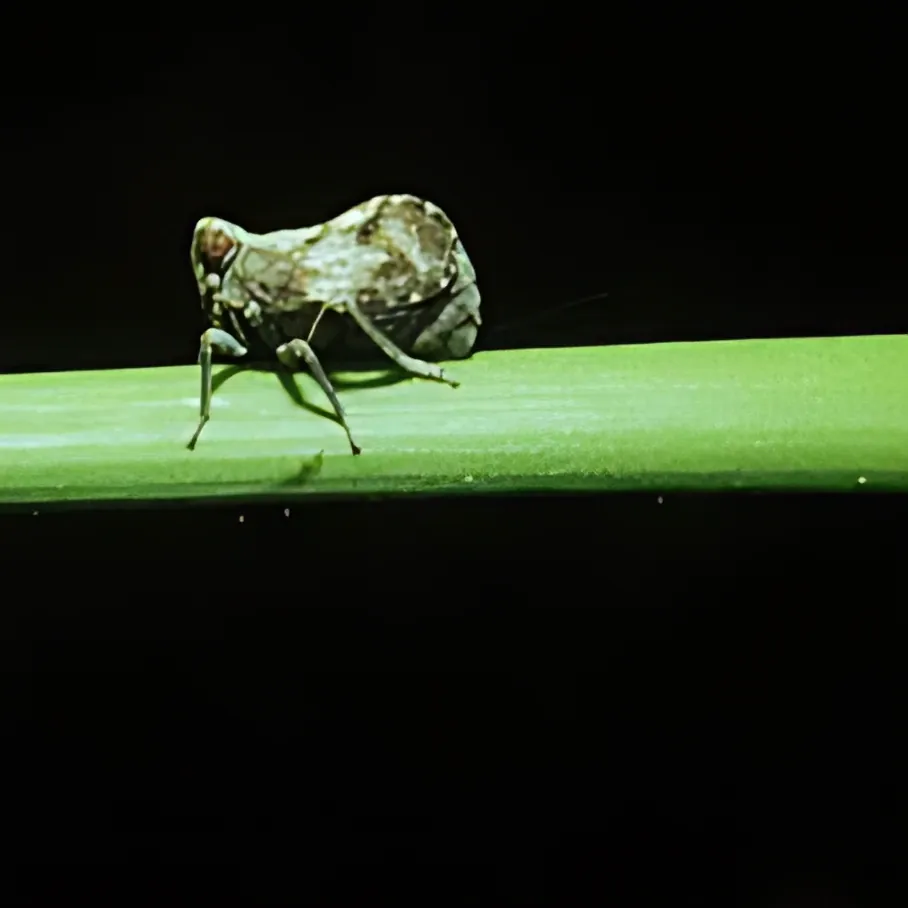
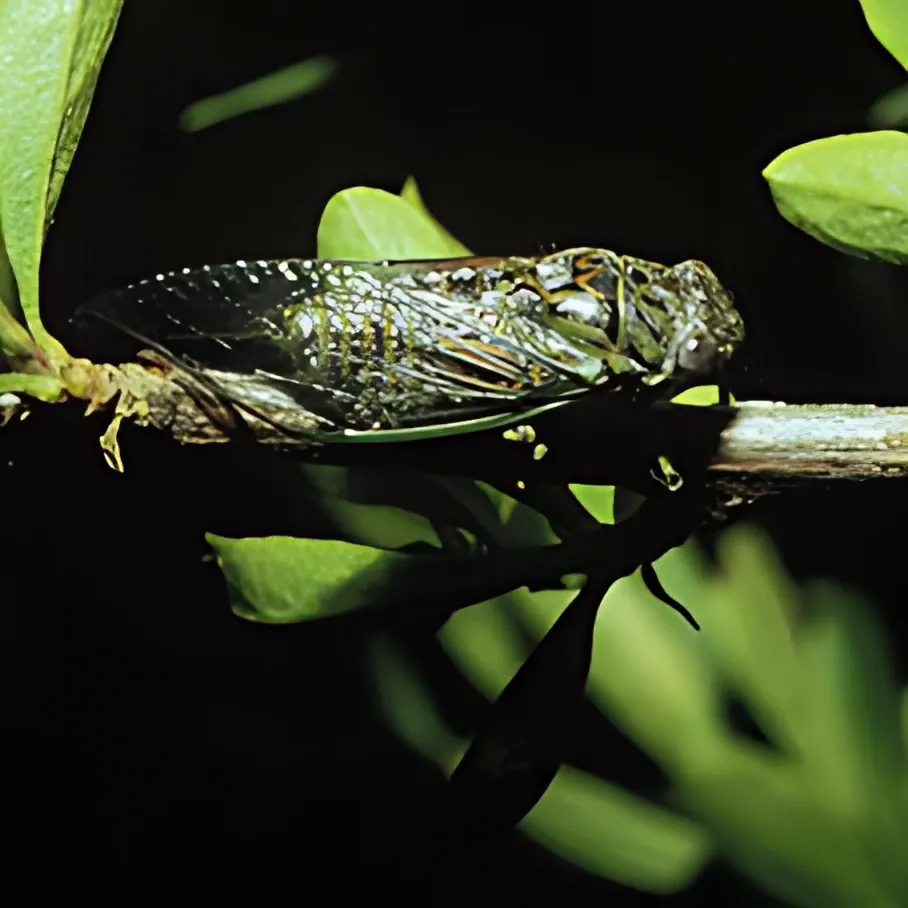
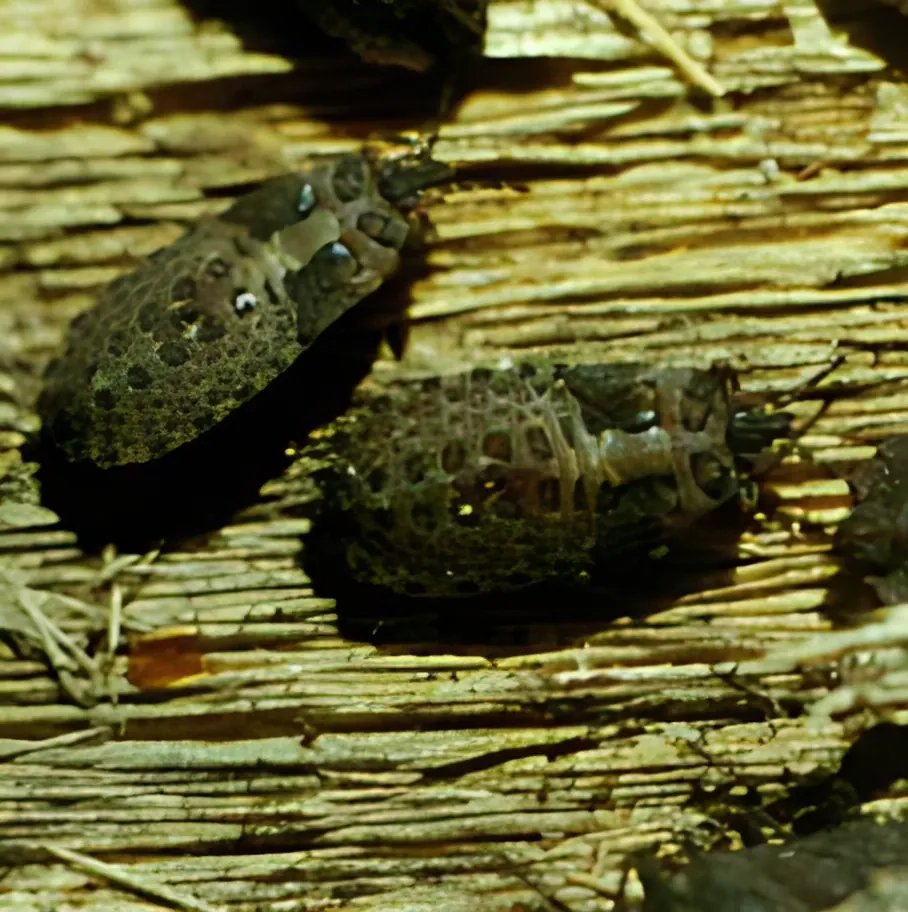
Chinches, Chicharras y CigarrasTrue bugs, Cicadas and Leafhoppers |
|
Hemiptera (Incl Homoptera) |
|
Chinches, Chicharras y CigarrasTrue bugs, Cicadas and Leafhoppers |
|
Hemiptera (Incl Homoptera) |
|
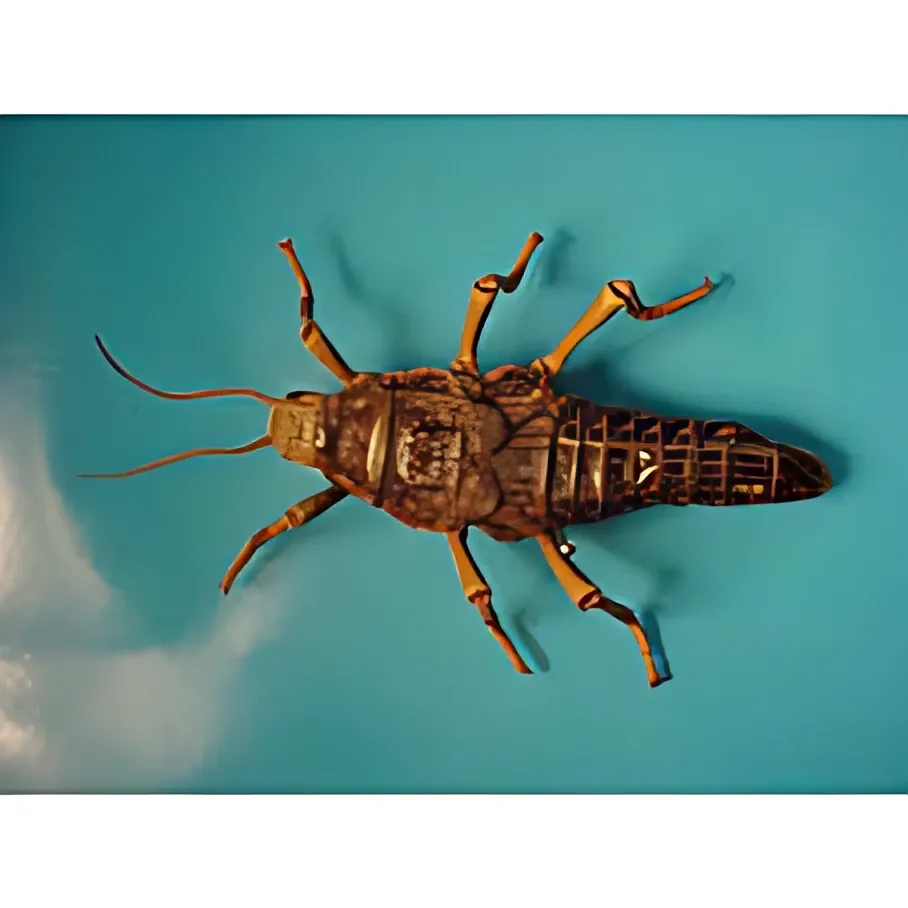
Neuroptera |
|
|
|
Mantis religiosaPraying mantis |
|
Mantodea |
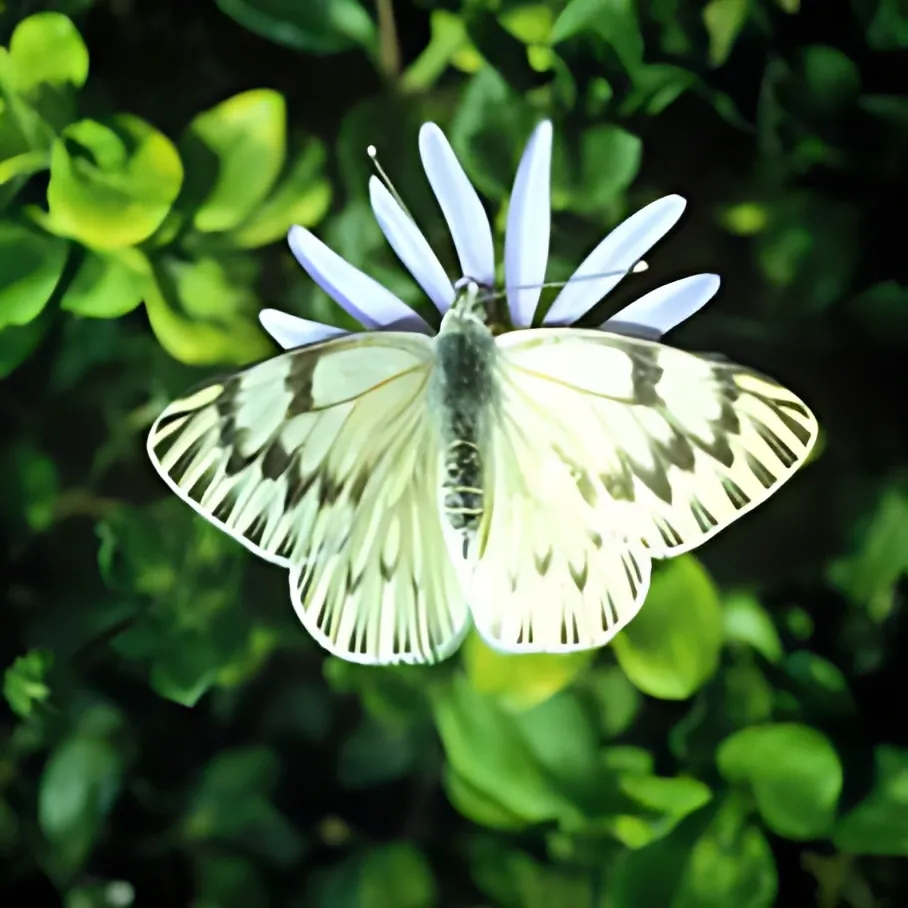
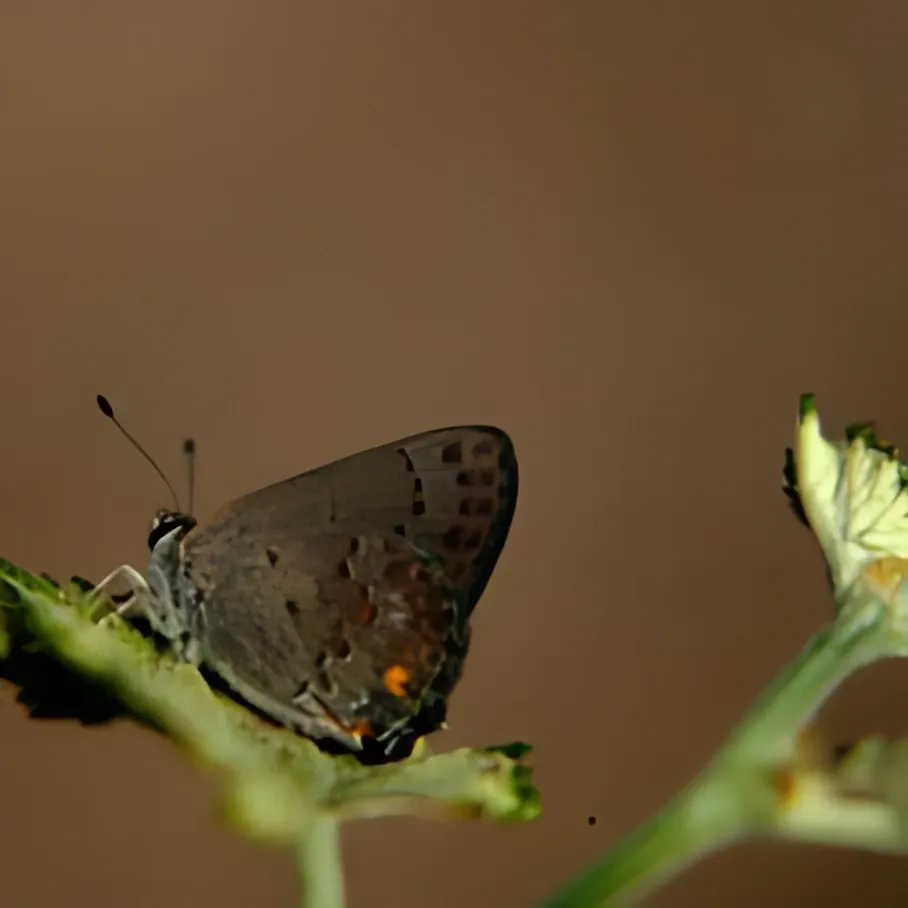
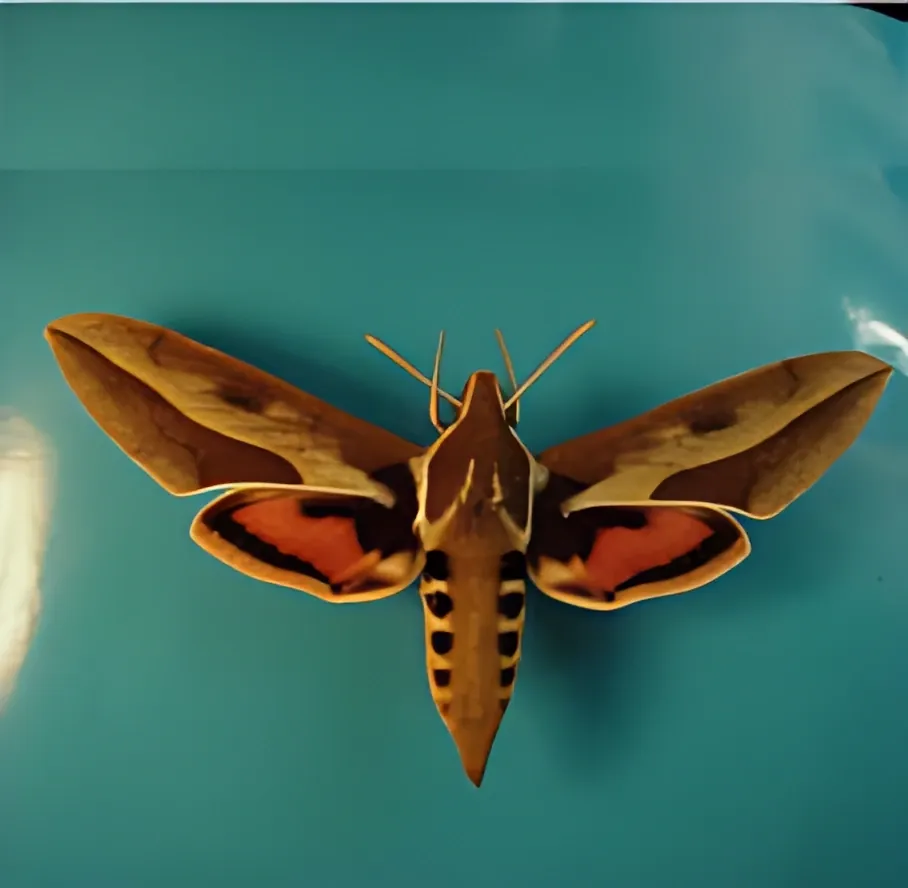
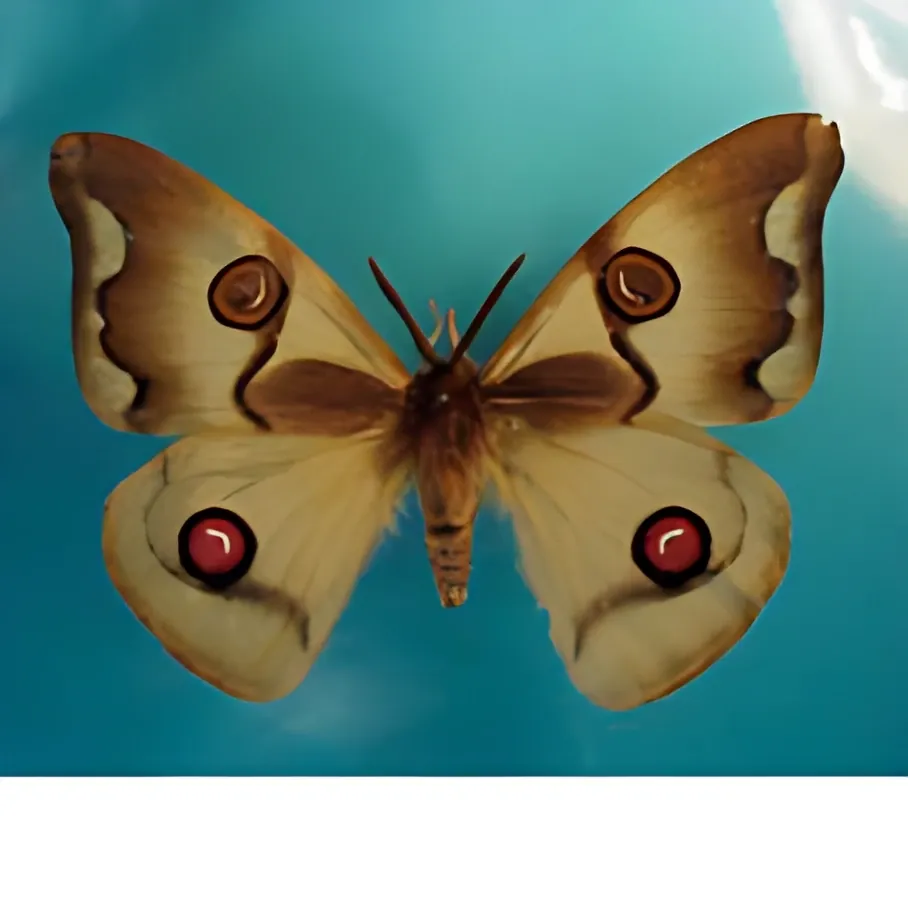
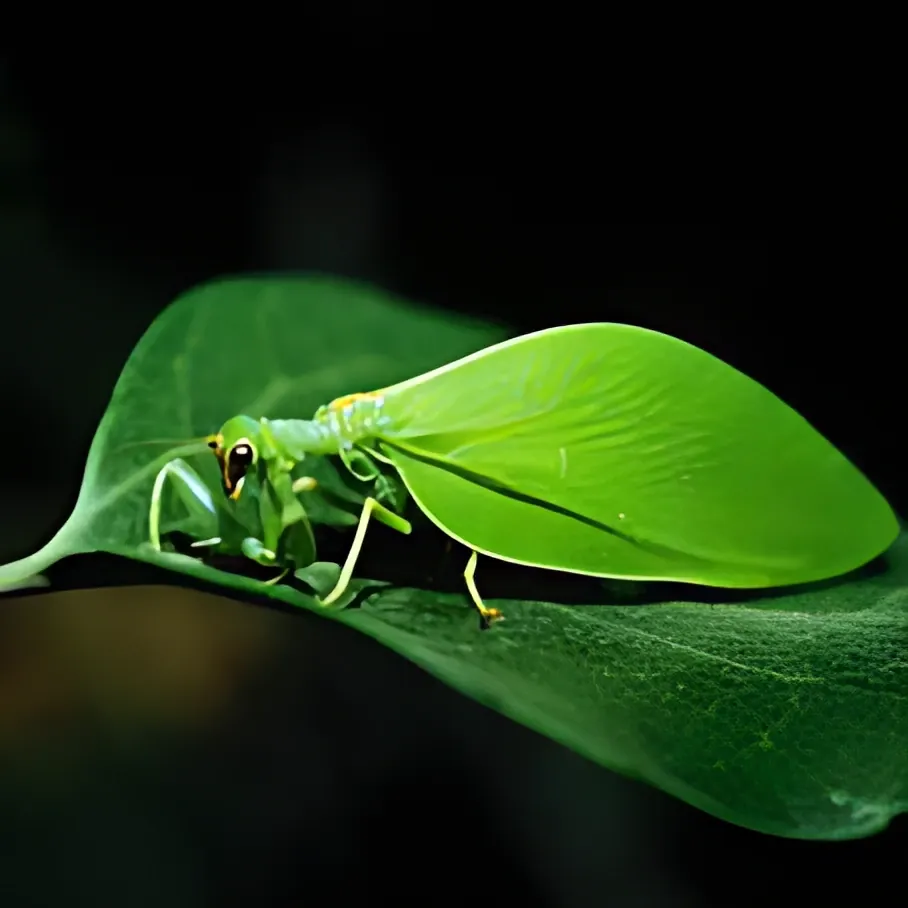
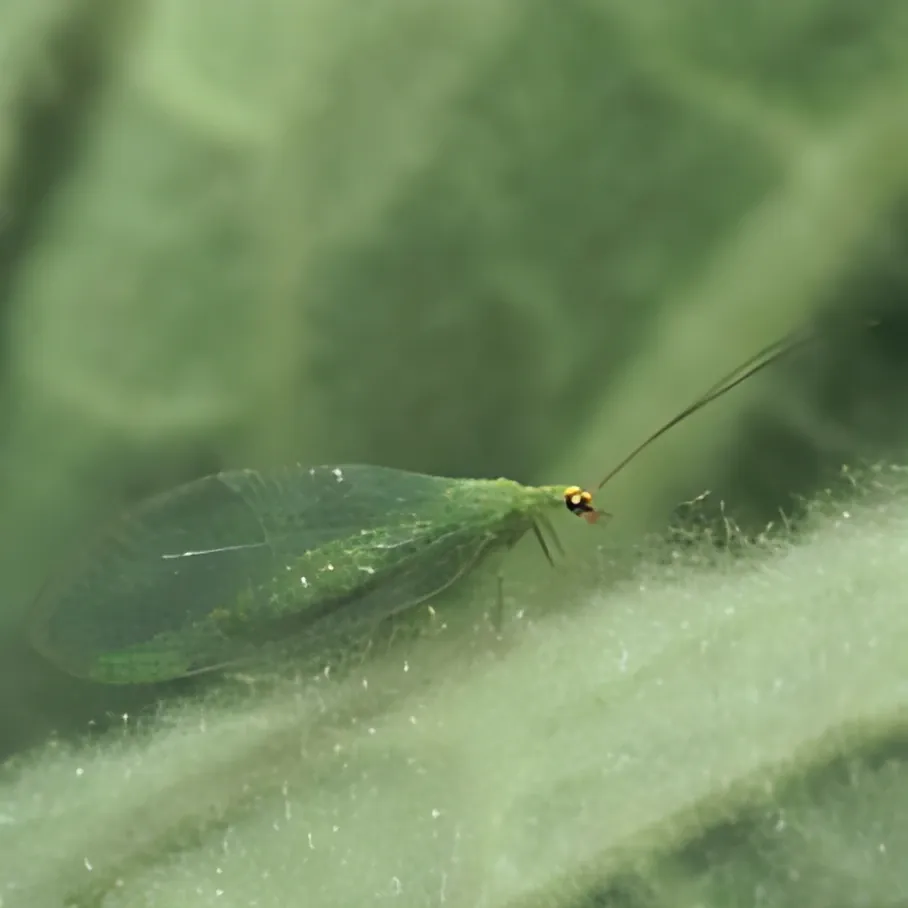
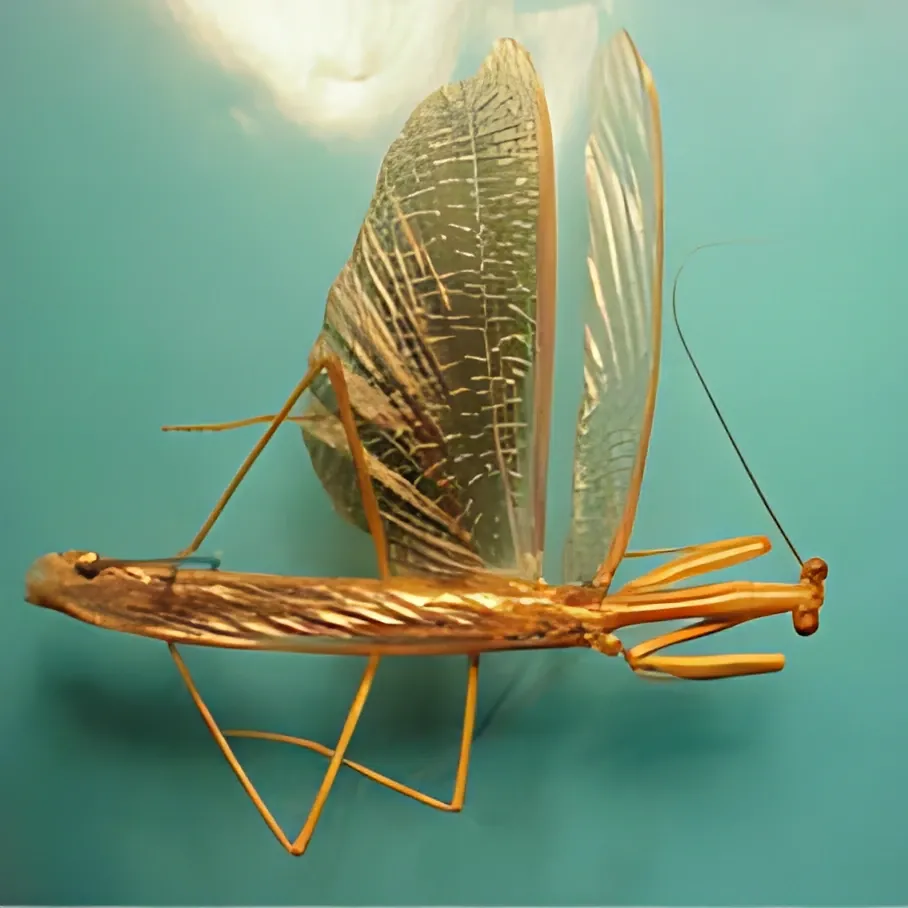
|
|
|
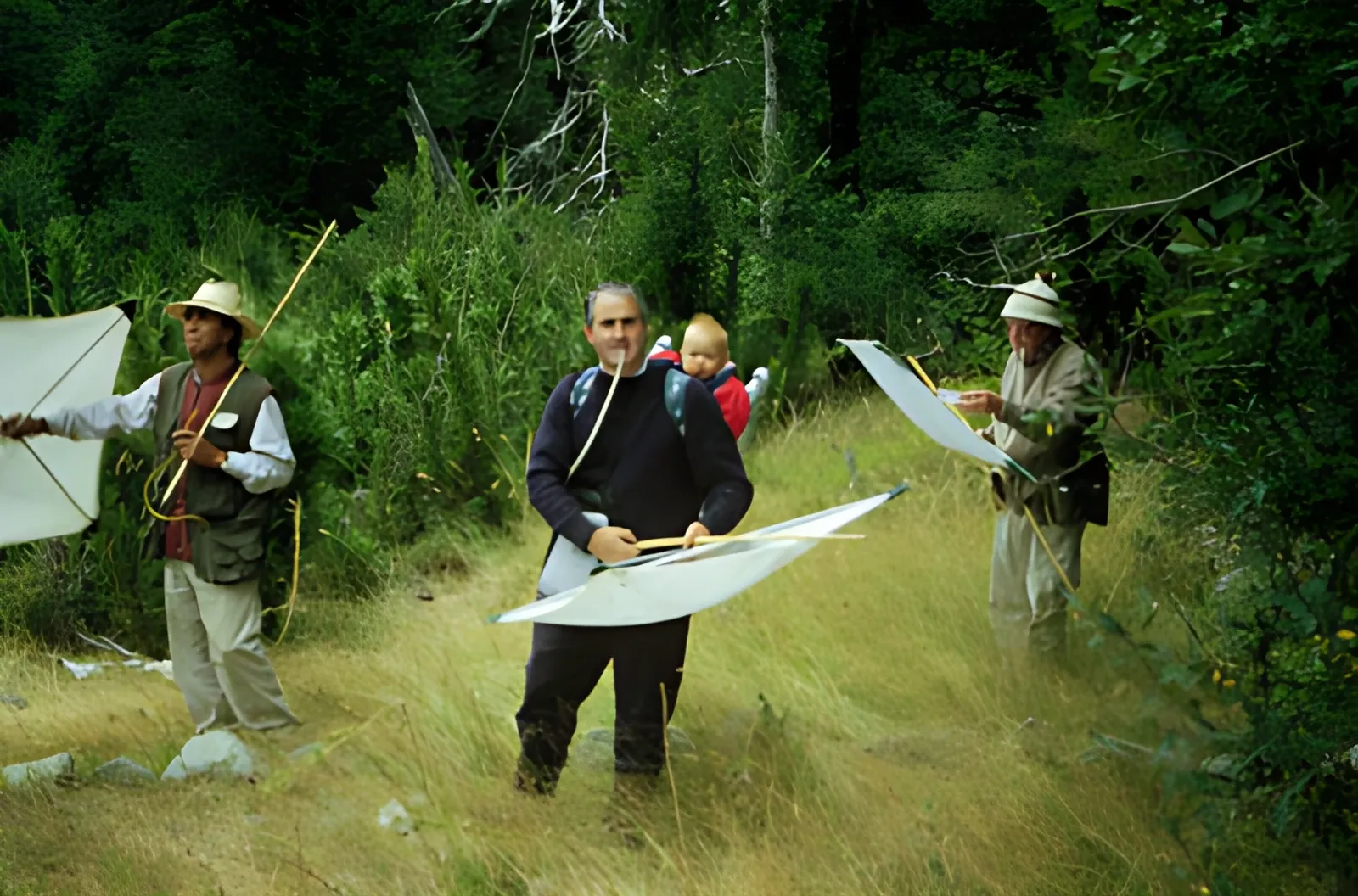
Recolectando insectos en los bosques de araucariasCollecting insects in the Araucaria forests |
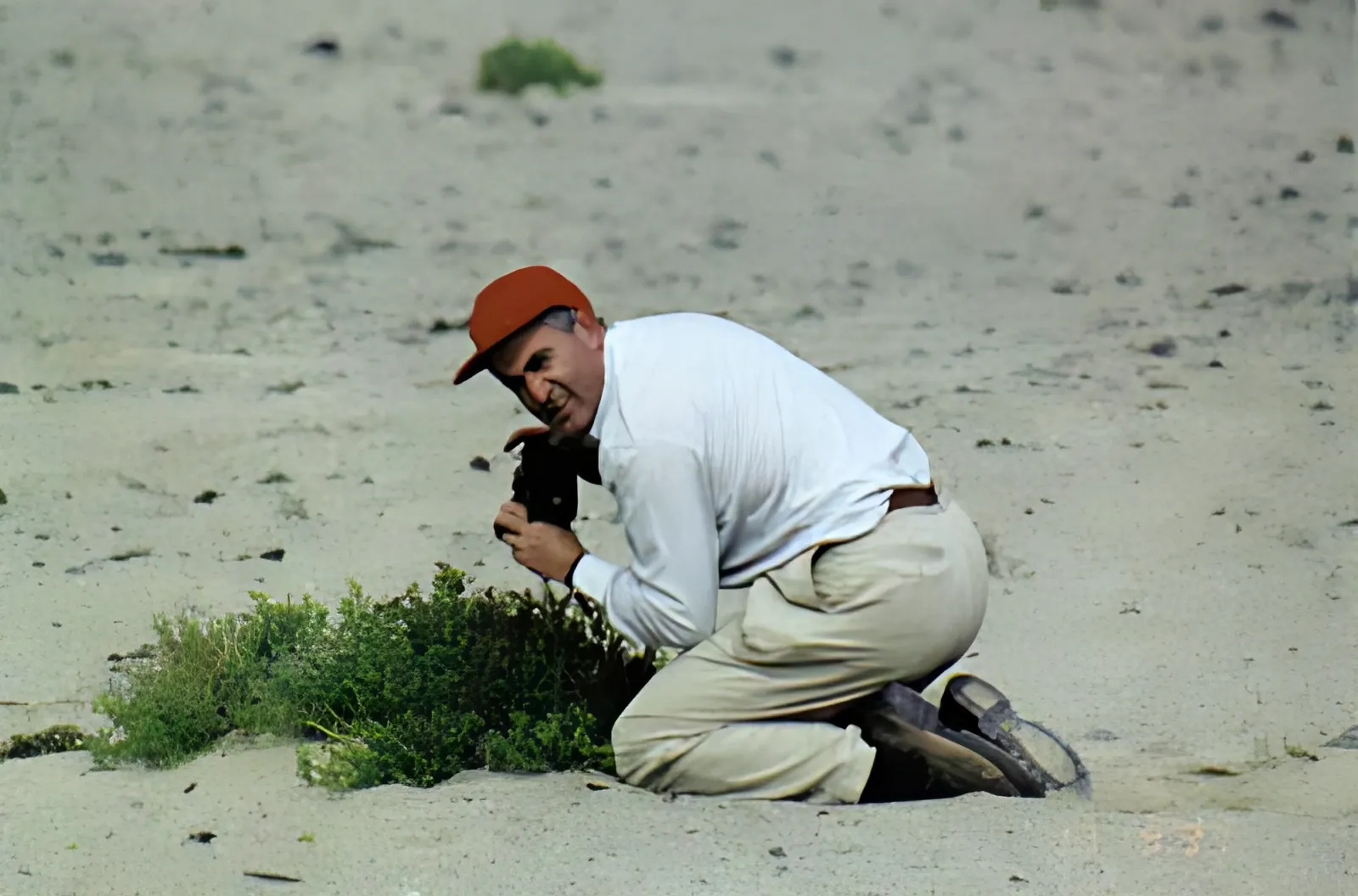
Fotografiando coleópteros en el desierto de AtacamaTaking photographs of beetles in Atacama Desert |
Texto conservado del sitio original; algunas secciones están solo en un idioma.Text preserved from the original site; some sections exist in one language only.